
Traveling through Ohio by camper van or RV offers a flexible and self-directed way to explore the state. From quiet rural landscapes to state parks and small towns, RV travel allows visitors to manage their pace while staying close to nature and local communities. For those researching Camper Van Rental in Ohio options, understanding how RV rentals work is essential before making any decisions.
This guide provides a clear, informational overview of renting an RV in Ohio. It explains common vehicle types, rental expectations, driving considerations, campground planning, and what renters can generally expect from providers such as Troyer Rentals. The goal is to support informed decision-making rather than promote any specific service.
Why Camper Van and RV Travel Works Well in Ohio
Ohio’s geography and infrastructure make it well suited for RV travel. Distances between destinations are manageable, and the state offers a mix of developed campgrounds and rural routes. This balance appeals to travelers who want independence without navigating extreme terrain or long-distance driving.
People often consider renting an RV in Ohio for reasons such as:
- Exploring multiple destinations in one trip
- Visiting areas with limited lodging availability
- Traveling with family or pets
- Attending seasonal events or gatherings
- Experiencing RV travel before considering ownership
Camper van and RV rentals allow travelers to combine transportation and accommodation into one setup.
Understanding Camper Van Rental Ohio Options
The term camper van rental in Ohio typically refers to compact, drivable vehicles, but it is often used alongside broader RV rental options. Knowing the differences helps renters choose a vehicle that matches their experience level and travel goals.
Camper Van Rental in Ohio: Understanding Camper Vans
Camper vans are built on standard van platforms and are designed for straightforward, practical travel. For those considering camper van rental in Ohio, these vehicles are often easier to drive and manage than larger motorhomes, especially for travelers who are new to RV travel or prefer a simpler setup.
Because of their smaller size, camper vans are well suited for navigating local roads, accessing a wider range of campgrounds, and handling everyday driving conditions throughout Ohio.
Common characteristics of camper vans include:
- Compact sleeping arrangements that maximize limited space
- Small cooking and storage areas designed for short trips
- Simplified onboard systems compared to larger RVs
- Easier parking and maneuvering in urban and rural areas
Camper vans are commonly chosen for weekend trips, shorter travel routes, and travelers who prioritize flexibility and mobility over interior space.
Motorhomes for RV Travel in Ohio
Motorhomes offer more interior space and a higher level of onboard functionality compared to camper vans. These vehicles are fully self-contained, making them suitable for longer stays or travel plans that involve larger groups. When researching options alongside camper van rental in Ohio, motorhomes are often considered by travelers who prioritize comfort and living space.
Because motorhomes combine driving and living areas into one vehicle, they provide a consistent setup throughout the trip. However, their larger size means drivers must pay closer attention when navigating roads, parking, and entering campgrounds.
Typical features of motorhomes include:
- Separate sleeping and seating areas for improved comfort
- Full kitchen setups designed for extended use
- Bathroom facilities with dedicated water systems
- Onboard electrical and fresh and waste water systems
Motorhomes are often selected for extended trips where interior space and amenities are a higher priority than maneuverability.
Towable RVs Compared to Camper Van Rental in Ohio
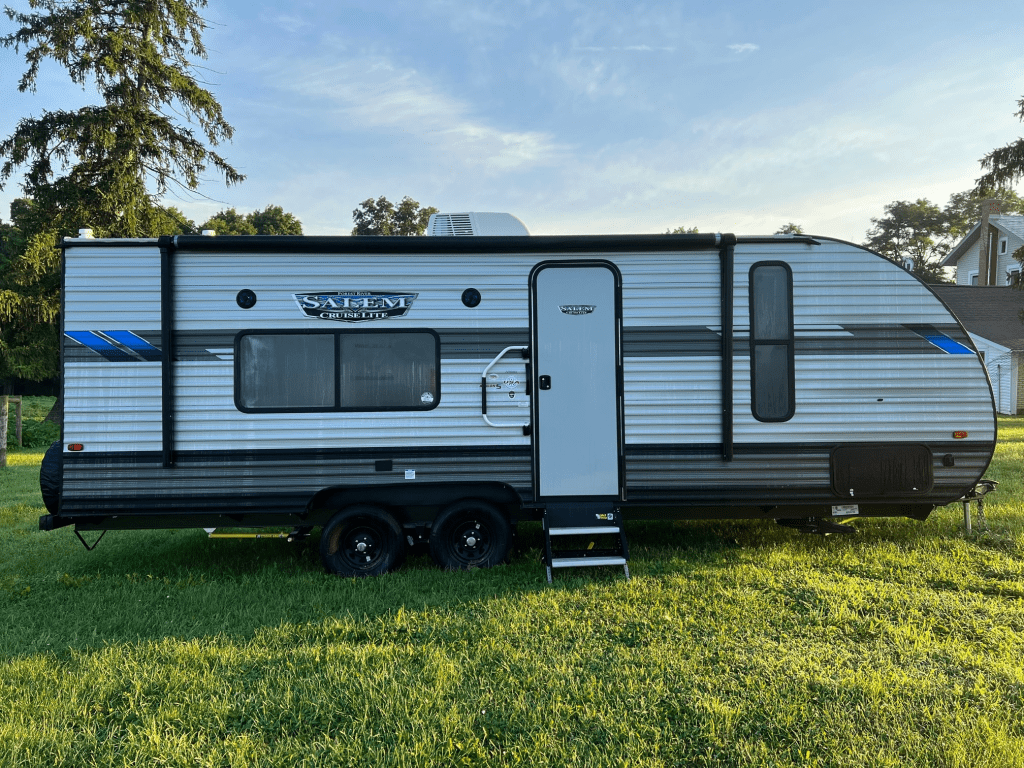
Towable RVs are a different category from camper vans and motorhomes but are sometimes considered by renters comparing travel options. These units are designed to be pulled by a separate tow vehicle and are commonly used for stays where the RV remains parked for most of the trip.
While towable RVs are not part of a camper van rental in Ohio setup, they may appeal to travelers who already own a suitable vehicle and prefer a more stationary camping experience.
Key considerations for towable RVs include:
- Requirement of a compatible tow vehicle
- Setup and breakdown at campsites
- Limited mobility once parked
Towable RVs are typically chosen for longer stays at a single location rather than frequent travel between destinations.
Renting an RV Ohio: How the Process Usually Works
Understanding the general rental process helps avoid confusion, especially for first-time renters.
Planning Travel Needs
Before contacting a rental provider, renters should consider:
- Number of travelers
- Length of the trip
- Campground types and locations
- Comfort level with driving larger vehicles
These details influence vehicle selection and trip planning.
Reviewing Rental Policies
Rental agreements outline expectations and responsibilities. Common policy areas include:
- Usage guidelines
- Cleaning and return conditions
- Driving and geographic limitations
- Support procedures during the rental period
Reading policies carefully helps set realistic expectations.
Vehicle Orientation and Pickup
Most RV rentals include a walkthrough at pickup. This orientation typically covers:
- Vehicle controls
- Electrical and water systems
- Waste management basics
- Safety features
This step is important for understanding daily operation.
What to Expect From Local Providers Like Troyer Rentals
Local rental providers often focus on serving regional travel needs and maintaining manageable fleet sizes. Troyer Rentals is an example of a company offering RV rental services intended for practical use in Ohio.
While specific offerings vary, renters can generally expect:
- Vehicles suitable for Ohio roads and campgrounds
- Clear explanations of vehicle operation
- Defined pickup and return procedures
- Support for common operational questions
For the most accurate and current information, renters should consult the official website at Troyer’s RV Rental.
Driving and Travel Considerations in Ohio
RV travel requires awareness of driving conditions and regulations.
Road Conditions and Accessibility
Ohio’s road network supports RV travel, but drivers should be mindful of:
- Narrow rural roads
- Height and clearance limitations
- Traffic conditions near cities
Camper vans are generally easier to manage than larger motorhomes in tight areas.
Seasonal Weather Planning
Ohio experiences varied seasonal weather. Travelers should consider:
- Heat and humidity during summer
- Rainfall and changing conditions in spring and fall
- Limited rental availability during winter months
Planning trips around seasonal conditions improves comfort and safety.
Campground Planning and Setup
Campground selection plays a major role in RV travel.
Types of Campgrounds
Ohio offers several campground options:
- State parks
- Private campgrounds
- Fairgrounds and event sites
Each type has different rules and amenities.
Reservations and Site Requirements
Many campgrounds require advance reservations, especially during peak seasons. Renters should verify:
- Site size compatibility
- Utility access
- Vehicle length restrictions
Proper planning helps avoid last-minute adjustments.
Camper Van vs Motorhome: Practical Differences
Choosing between a camper van and a motorhome depends on travel priorities.
| Feature | Camper Van | Motorhome |
| Driving ease | Easier to manage | Requires more attention |
| Living space | Compact | More spacious |
| Setup time | Minimal | Moderate |
| Ideal group size | One to three | Three or more |
Understanding these differences helps align expectations with actual travel needs.
Responsibilities During the Rental Period
Renters are usually responsible for basic vehicle care during their trip. This may include:
- Monitoring onboard systems
- Keeping the interior clean
- Following campground rules
- Reporting issues promptly
Rental providers typically explain these responsibilities clearly during pickup.
Environmental and Etiquette Considerations
Responsible RV use helps protect campgrounds and shared spaces.
Good practices include:
- Proper waste disposal
- Conserving water and power
- Respecting quiet hours
- Leaving campsites clean
These habits support sustainable RV travel.
Frequently Asked Questions
What does camper van rental Ohio typically include?
Most rentals include basic furnishings and essential onboard systems. Specific features vary by vehicle type and provider.
Is renting an RV in Ohio suitable for beginners?
Yes. Many renters are first-time users, and providers usually offer orientation and guidance.
Do I need a special license to rent an RV in Ohio?
In most cases, a standard driver’s license is sufficient for camper vans and standard motorhomes.
Can RVs be used across the state?
Most rentals are suitable for statewide travel, but renters should confirm any geographic restrictions.
When is the best time to rent an RV in Ohio?
Spring through fall is the most common travel period, though availability varies by provider.
Final Thoughts
Choosing renting an RV in Ohio wide is about understanding vehicle types, travel expectations, and operational responsibilities. With proper planning and realistic goals, RV travel can be a practical way to explore the state.
Local providers such as Troyer Rentals offer rental options designed for regional travel needs. Reviewing official information and preparing ahead of time allows travelers to focus on the experience rather than logistics.